

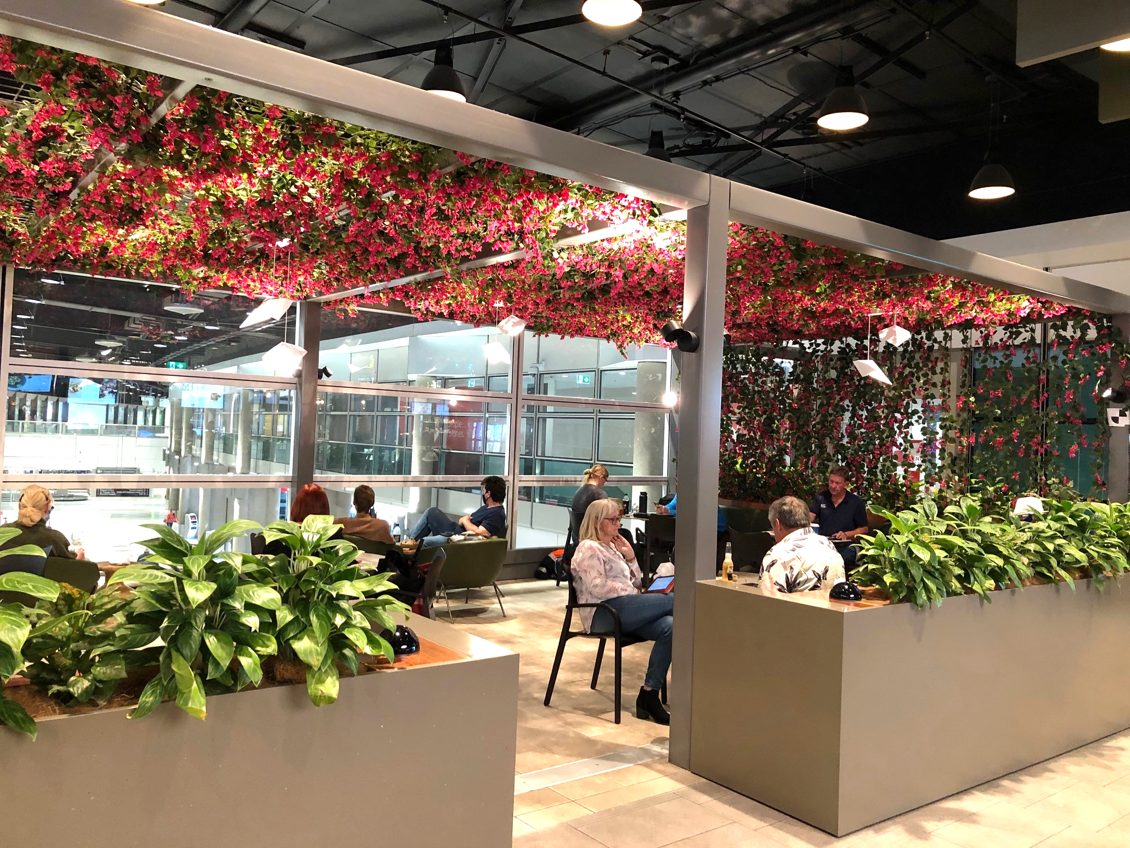
If you are a facility manager, office administrator, or commercial interior designer tasked with bringing biophilic design into your workspace, you are likely hitting a massive roadblock: nobody wants to talk about price.
You spend hours browsing stunning galleries of lush office lobbies, cascading indoor vines, and breathtaking living walls. But when you look for a simple baseline cost to present to your CFO for budget approval, you are met with the frustrating, industry-standard phrase: “Call us for a custom quote.”
At Biozenic, we believe in radical transparency.
We understand that every commercial space in Southern California is completely unique, and yes, a final quote requires a dedicated space audit. However, you deserve to know the baseline numbers before you pick up the phone. You need to know if a living wall costs $500 or $50,000. You need to understand the difference between a capital expenditure (buying plants outright) and an operating expense (leasing them).
In this comprehensive, transparent guide, we are pulling back the curtain on the commercial plantscaping industry. We will break down the true costs of indoor potted plants, living vertical gardens, preserved moss walls, and ongoing maintenance contracts, empowering you to make the smartest financial decision for your commercial real estate in 2026.
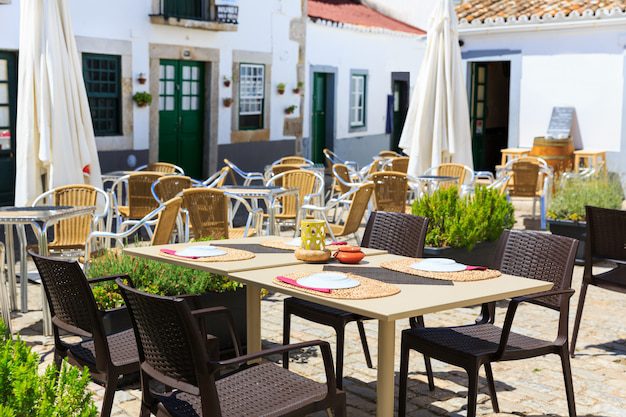
The Three Financial Models of Commercial Plantscaping
Before we look at the cost of individual plants, we have to look at how you pay for them. In the commercial plantscaping industry, there are three primary financial models. Choosing the right one depends entirely on how your company handles capital expenditures (CapEx) versus operating expenses (OpEx).
1. Direct Purchase + Maintenance (CapEx)
In this model, your company buys all the plants, the soil, and the commercial-grade planters outright on day one. They become the physical assets of your company.
- The Cost Structure: A high upfront capital expenditure, followed by a lower, predictable monthly maintenance fee.
- Best For: Established corporations with a healthy design budget who want to own their interior assets and plan to stay in their current building for 5+ years.
2. The Plant Leasing Program (OpEx)
Don’t want to drop a massive chunk of your quarterly budget on imported ceramic pots and Ficus trees? The plant leasing program is the most popular choice for modern businesses. In this model, Biozenic owns the plants and the containers. You pay a single, flat monthly fee that covers the rental of the botanicals and the professional maintenance.
- The Cost Structure: Zero or very low upfront costs. A slightly higher monthly operational expense.
- Best For: Startups, companies managing tight cash flows, or businesses that want the flexibility to completely redesign their office greenery every few years without being stuck with outdated planters.
3. Maintenance-Only Contracts
If your office already has existing plants, but your staff is accidentally killing them by overwatering them with leftover coffee, you can hire a biophilic agency strictly for plant care.
- The Cost Structure: A flat monthly fee based on the volume of plants and the complexity of the care required.
- Best For: Companies that have already invested in their own greenery but need professional horticulturalists to keep their investment alive.
Pricing Breakdown: Indoor Potted Plants & Planters
Let’s look at standard indoor plantscaping—the beautiful potted floor plants, desk succulents, and hanging vines that fill an open-plan office.
The cost here is highly variable because you are paying for two distinct items: The Plant and The Planter.
The Cost of the Planter (The Hidden Expense)
Many facility managers are shocked to learn that the pot often costs more than the plant inside it. A plastic nursery pot costs $5. A commercial-grade, waterproof, fiberglass planter painted to match your specific corporate branding can cost anywhere from $75 to $400+ per unit, depending on the size.
The Cost of the Plant
The price of the foliage depends on the species’ rarity, its growth rate, and its height at the time of installation.
- Desktop Plants (Succulents, Small Pothos, Snake Plants): Typically $25 to $75 per unit (including a basic ceramic pot).
- Medium Floor Plants (3 to 4 feet tall): Such as standard ZZ plants or smaller Dracaenas. Expect to pay $100 to $250 per unit (including a mid-tier commercial planter).
- Specimen/Statement Trees (6 to 10+ feet tall): Massive Fiddle Leaf Figs, large Ficus Audrey trees, or towering Birds of Paradise used to anchor a lobby. These can range from $300 to $1,000+ per unit, especially when paired with a heavy-duty, luxury container.
The Bottom Line for Floor Plants: For a standard 5,000-square-foot office looking for a comprehensive, beautifully designed floor plant package (purchased outright), budgets typically range from $2,500 to $8,000+.
The Cost of Living Vertical Gardens (Living Walls)
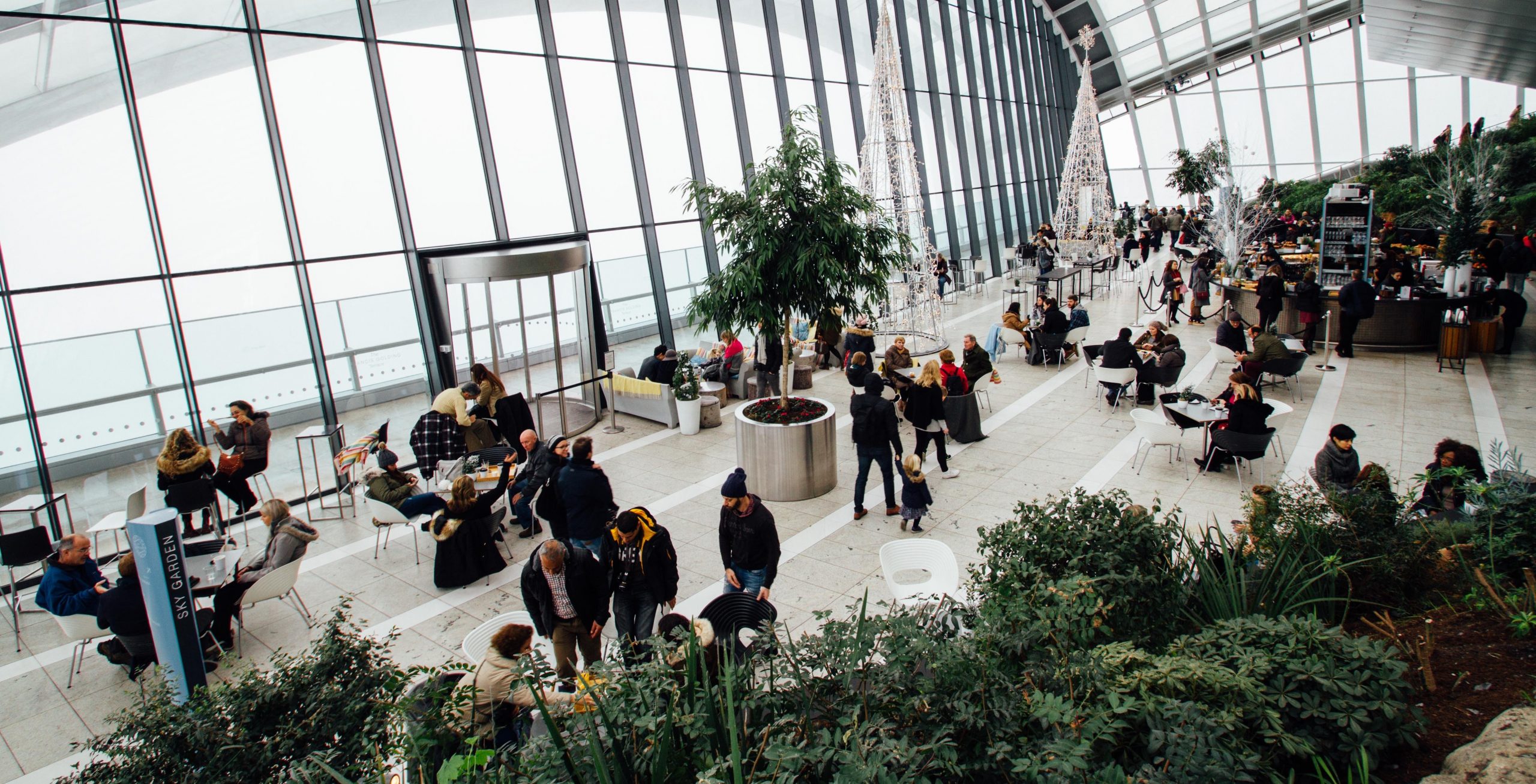
Living walls are the undisputed crown jewels of biophilic design. They are breathtaking architectural installations, but they are also complex living ecosystems. Because they require heavy infrastructure, they are priced by the square foot.
A professional, custom-designed living vertical garden in Southern California typically costs between $120 and $250+ per square foot for the initial installation.
Why is the range so wide? Because of the required infrastructure:
- Irrigation & Plumbing: A living wall requires direct plumbing. If we need to trench through your lobby floor to run water supply lines and drainage, the installation cost increases.
- Waterproofing: Commercial-grade moisture barriers must be installed to ensure your drywall and structural framing are never exposed to humidity or leaks.
- Architectural Lighting: Plants need to eat. If your lobby does not have massive skylights, you will need to install specialized, color-temperature-calibrated LED grow lights to keep the wall alive.
The Bottom Line for Living Walls: A modest 8ft x 8ft (64 sq ft) living wall installation will typically require a capital investment of $7,500 to $15,000+, not including the ongoing monthly maintenance contract.
The Cost of Preserved Moss Walls & High-End Faux Botanicals
If the cost of plumbing and lighting a living wall makes your CFO nervous, you have two incredible, zero-maintenance alternatives.
Preserved Moss Art Pricing
Preserved moss walls offer the exact same psychological biophilic benefits and acoustic dampening as a living wall, but because the moss is preserved, it requires absolutely zero water or light.
Because they lack the complex plumbing infrastructure, moss walls are significantly more budget-friendly. Custom preserved moss walls typically range from $70 to $130 per square foot. The price fluctuates based on the complexity of the design (e.g., mixing reindeer moss, pole moss, and preserved ferns) and whether you are incorporating custom 3D corporate logo signage into the moss.
Premium Faux & Silk Plant Pricing
Faux and silk plantscaping is ideal for zero-light environments or incredibly high ceilings where watering is impossible.
Commercial-grade, UV-treated silk plants cost roughly the same upfront as living plants (sometimes slightly more for hyper-realistic specimen trees). However, the true financial benefit is that they completely eliminate the monthly maintenance bill.
Breaking Down the Monthly Maintenance Fee
If you have living plants, you must maintain them. Relying on your office receptionist to water a $10,000 corporate plant investment with a coffee mug is a guaranteed recipe for dead foliage, fungus gnats, and ruined carpets.
Professional indoor plant maintenance is an ongoing operational expense. Monthly minimum contracts in the commercial sector typically start between $150 to $250 per month for small offices, and can scale to $1,000+ per month for massive corporate campuses or complex living walls.
What exactly are you paying for in that monthly fee?
1. Expert Labor & Watering Our trained horticulturalists visit your office on a strict schedule. They don’t just dump water in a pot; they check soil moisture levels, prune dead foliage, and rotate plants to ensure even light exposure.
2. Organic Probiotics & Fertilization At Biozenic, we do not use harsh, toxic chemical fertilizers in your enclosed office space. We use premium, organic probiotics and natural soil amendments to keep your plants lush and safe for your employees.
3. Disease and Pest Control A professional catches a spider mite infestation before it spreads from one plant to the entire office. We handle all organic pest management proactively.
4. The “Free Replacement” Guarantee This is the most crucial part of a commercial maintenance contract. Despite perfect care, plants are living things, and sometimes they fail. If you are on a Biozenic maintenance plan and a plant starts looking sad, sick, or dies, we replace it for free. Your monthly fee acts as an insurance policy, ensuring your office always looks exactly as pristine as it did on installation day.
The Hidden ROI: Why the Cost is Justified
When looking at a proposal for $5,000 worth of plants and a $300/month maintenance contract, it is easy for executives to view it as a superficial luxury expense. It is up to you to reframe that narrative. Commercial plantscaping is not decor; it is a high-yield investment in human capital.
Here is the data you need to justify the cost to your board:
- The Productivity Boost: Global studies show that employees working in biophilic environments are 15% more productive and experience significantly less cognitive fatigue. If you have a payroll of $1,000,000, a mere 5% increase in productivity yields a $50,000 return—paying for the plantscaping ten times over.
- Reduction in Sick Days: Living plants actively filter VOCs and improve indoor air quality. Cleaner air means fewer respiratory issues and headaches, leading to a direct reduction in expensive employee absenteeism.
- Talent Retention: In 2026, employees demand a workplace that supports their mental health. An office that feels like a lush, natural sanctuary drastically reduces employee turnover, saving you thousands in recruitment and onboarding costs.
Conclusion: Getting Your Custom Quote
Transparency is the foundation of a great B2B partnership. While the numbers in this guide provide a realistic framework for your 2026 budgeting, the only way to get a precise, down-to-the-penny number is to have an expert evaluate your specific commercial space.
At Biozenic, we don’t just sell plants; we architect biophilic environments tailored to your brand, your lighting, and your exact financial parameters. Whether you need a cost-effective plant leasing program for a startup or a monumental living wall for a luxury hotel lobby, we have a solution that fits your spreadsheet.
Are you ready to stop guessing and start building your biophilic budget?
Contact the Biozenic team today to schedule a free, no-obligation space audit. We will walk your floor plan, assess your natural light, and provide a crystal-clear, transparent proposal designed to elevate your workspace and your bottom line.
Related posts
Bonsai Workshops in the Workplace: Enhancing Wellness and Focus

Why Balanced Workplace Design Creates Better Collaboration and Focus
How Office Design Shapes First Impressions and Brand Experience

How Spatial Design Improves Collaboration in Modern Workplaces
Shamrock Plants in Interior Design